Sewage Treatment Plants
Case study
Sewage Treatment Plants
Domestic and commercial sewage treatment plant installation and drainage revisions
Scope
Current Scope
Following the introduction of new legislation in 2015, domestic households and commercial premises using septic tanks or small treatment plants to manage their waste water may find it necessary to replace or upgrade their system.
For householders involved in purchases or sales, it is key to understand how waste water is dealt with, particularly in rural areas, and this may require further investigation during the negotiating or conveyancing phases.
Sweeting Brothers (Land Drainage) Ltd are an experienced and accredited installer, offering both domestic and commercial solutions together with servicing.
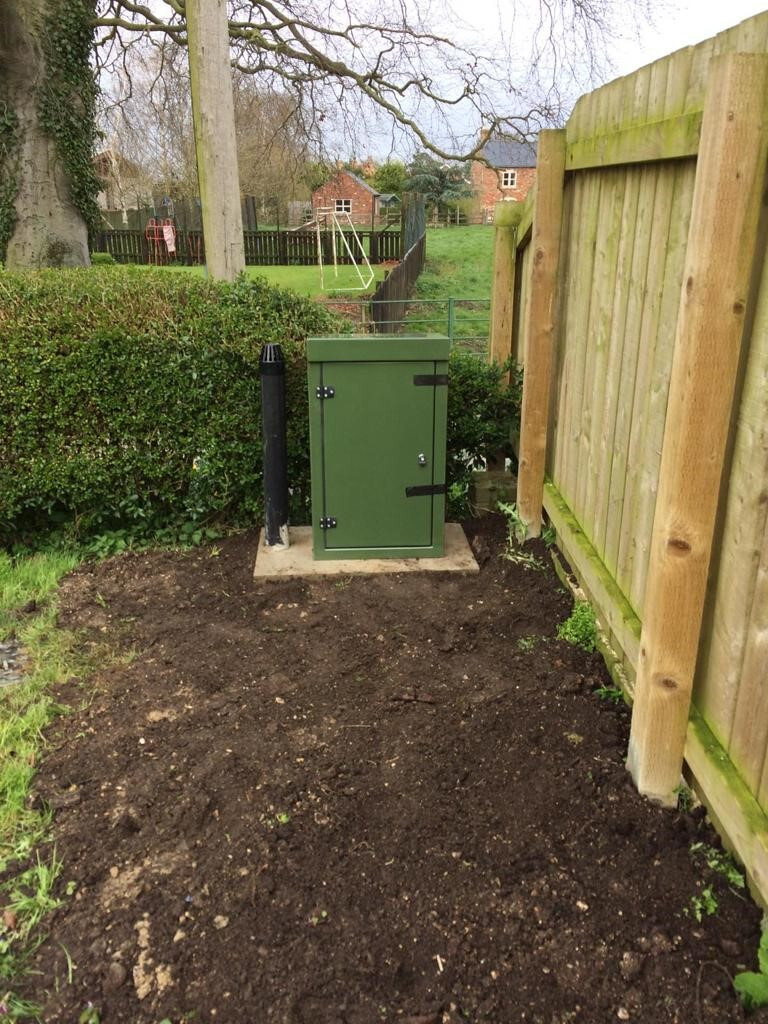
Key Aspects
When considering options to comply with the current regulatory requirements, the following aspects need to be fully investigated as each situation is unique. We recommend engaging with accredited installers or service providers at the earliest opportunity. This is not an exhaustive list.
- Compliance with Local Authority or Environment Agency regulations, for example Building Regulations.
- Domestic or commercial applications and their specific requirements.
- Type of usage.
- Sizing.
- Ground conditions.
- Layout or topography of the land.
- Existing location or new location.
- Pipework, connections and revisions.
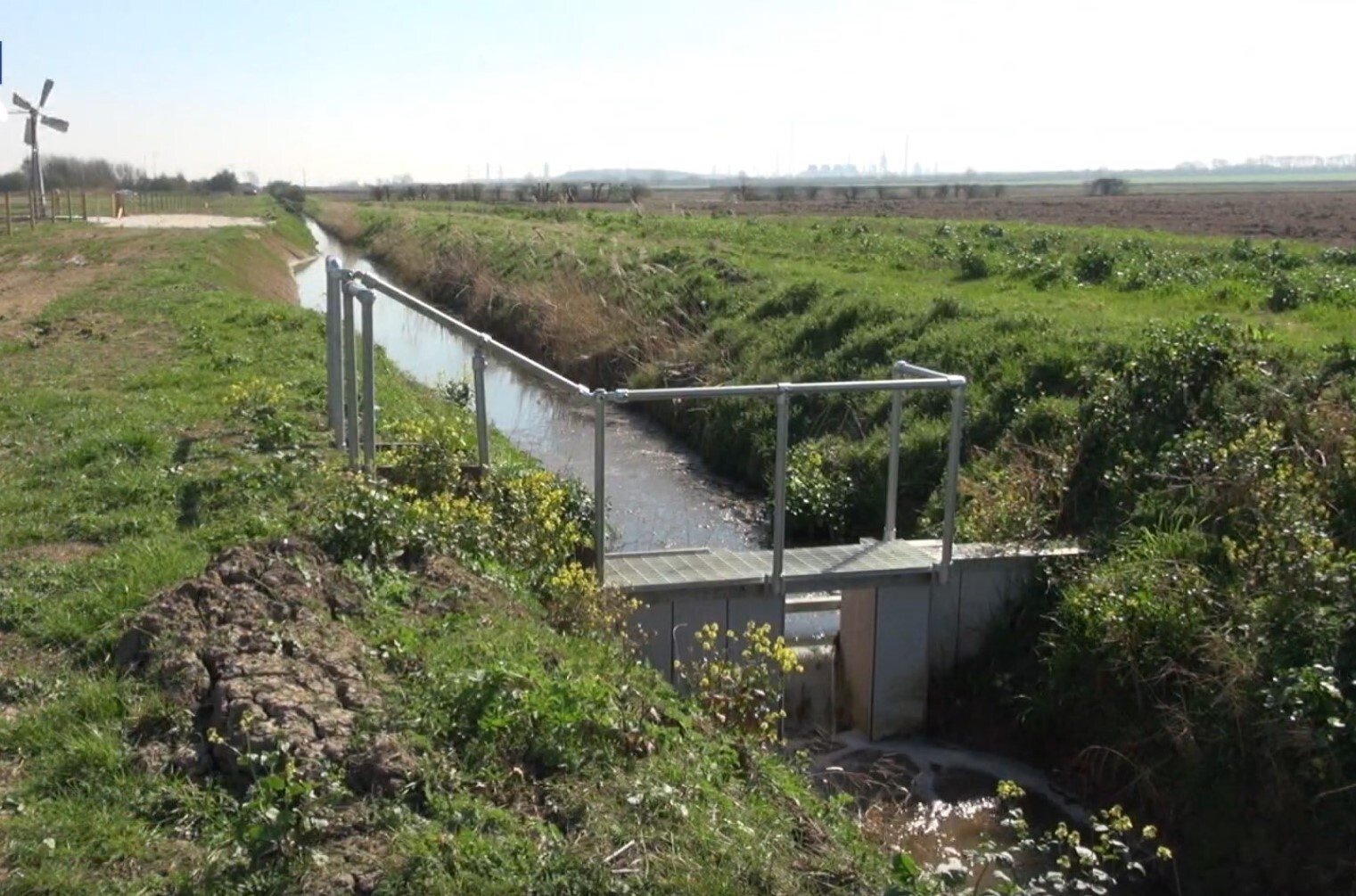
- Discharge or outfall position.
- Drainage fields.
- Proximity of other services or utilities.
- Access for installation or servicing.
- Commissioning.
- Ease of servicing.
- Running costs.
- Warranties and guarantees.
The Environmental Permitting (England & Wales) (Amendment) (England) Regulations 2014 created the General Binding Rules (GBR).
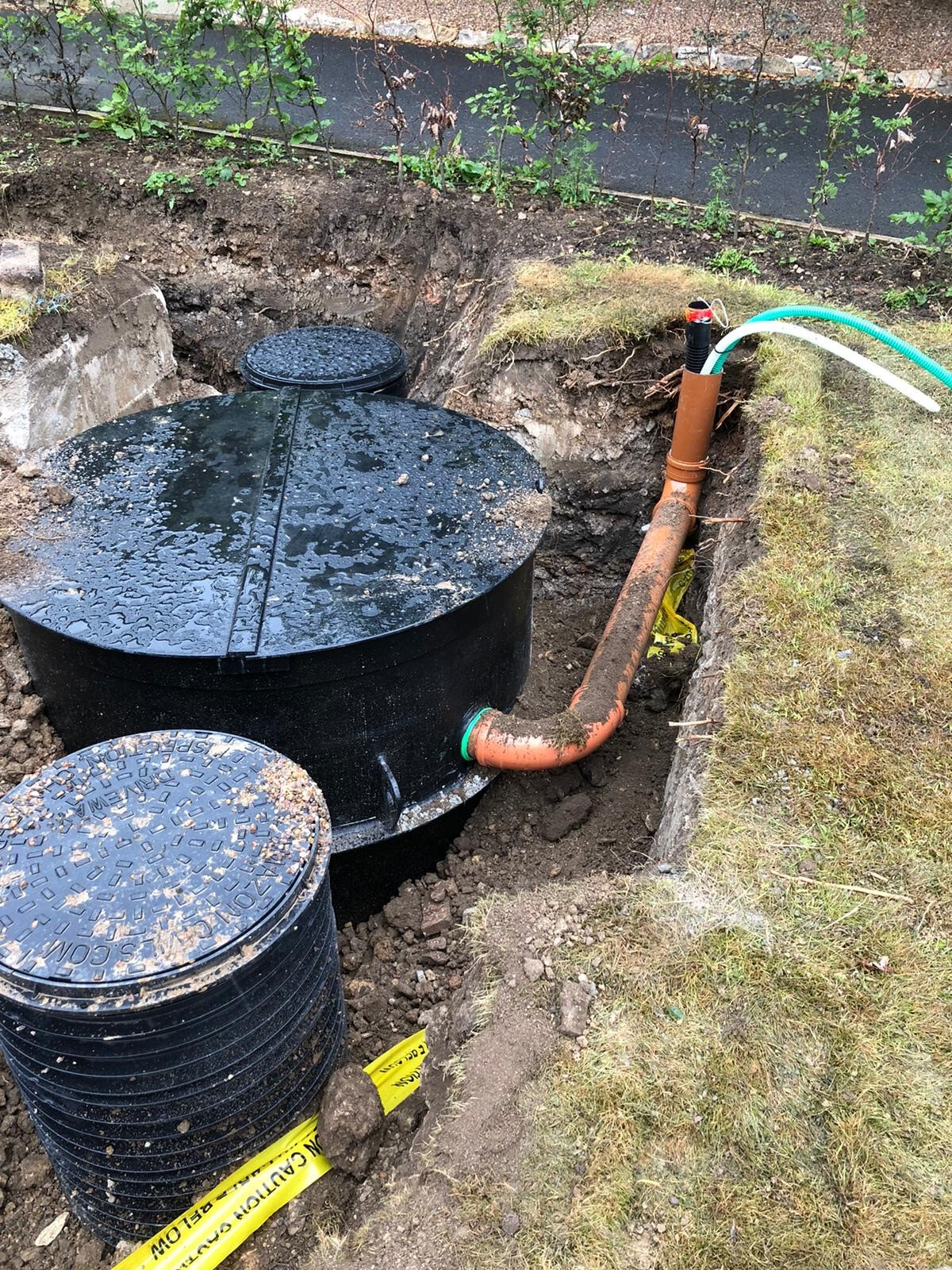
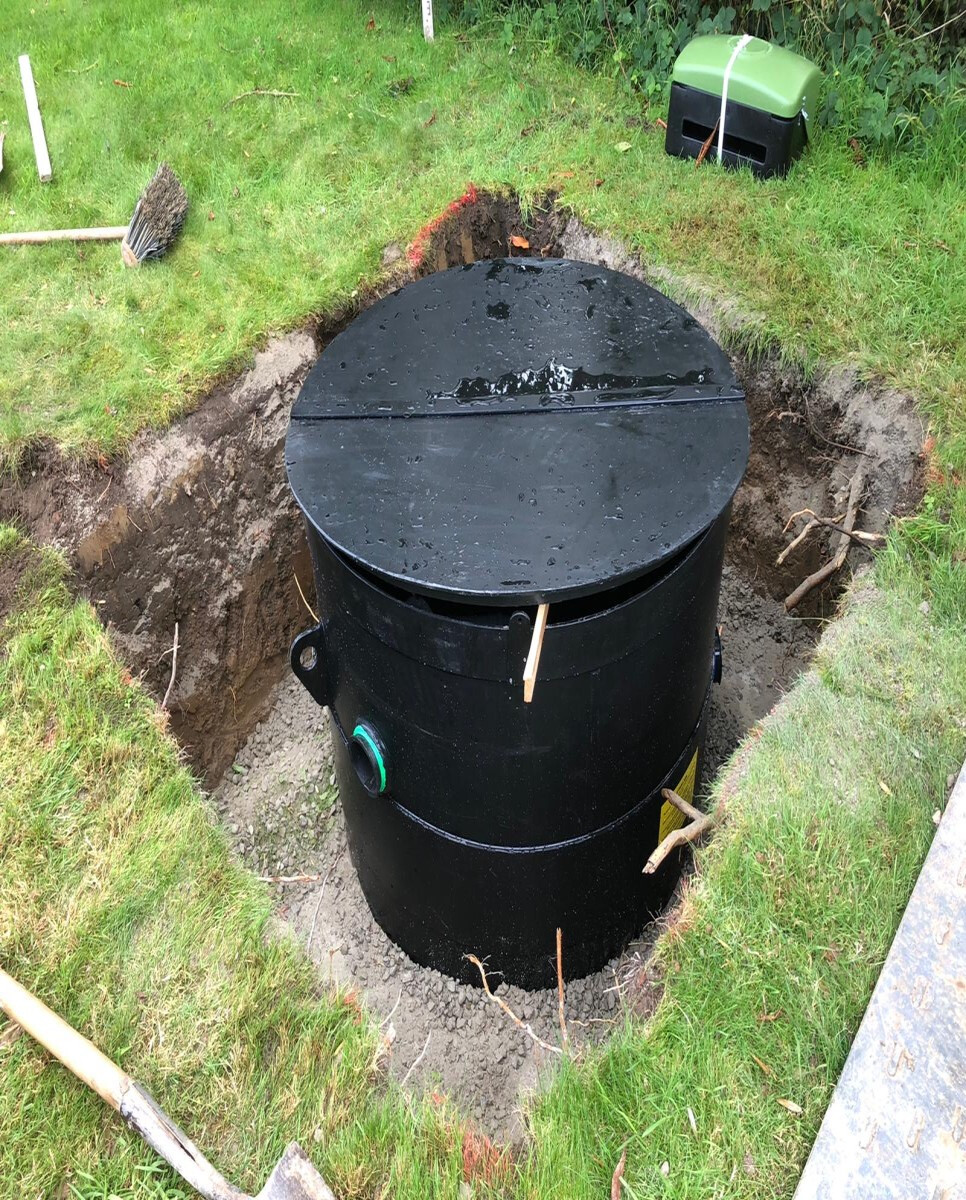
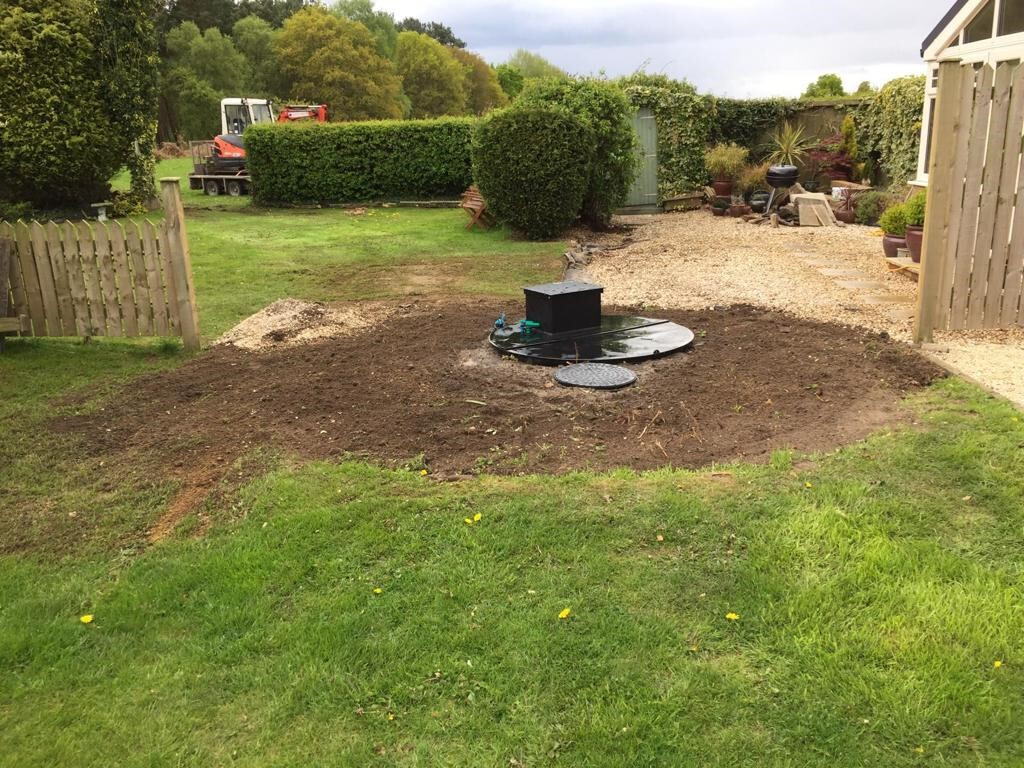
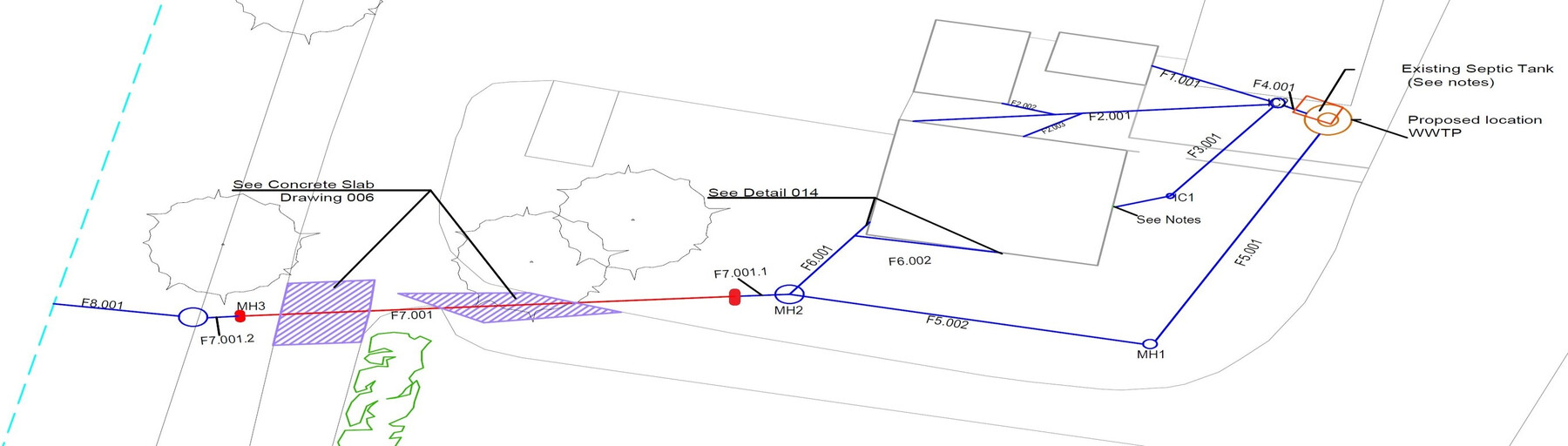
Differing Tanks, Installations & Drainage Revisions
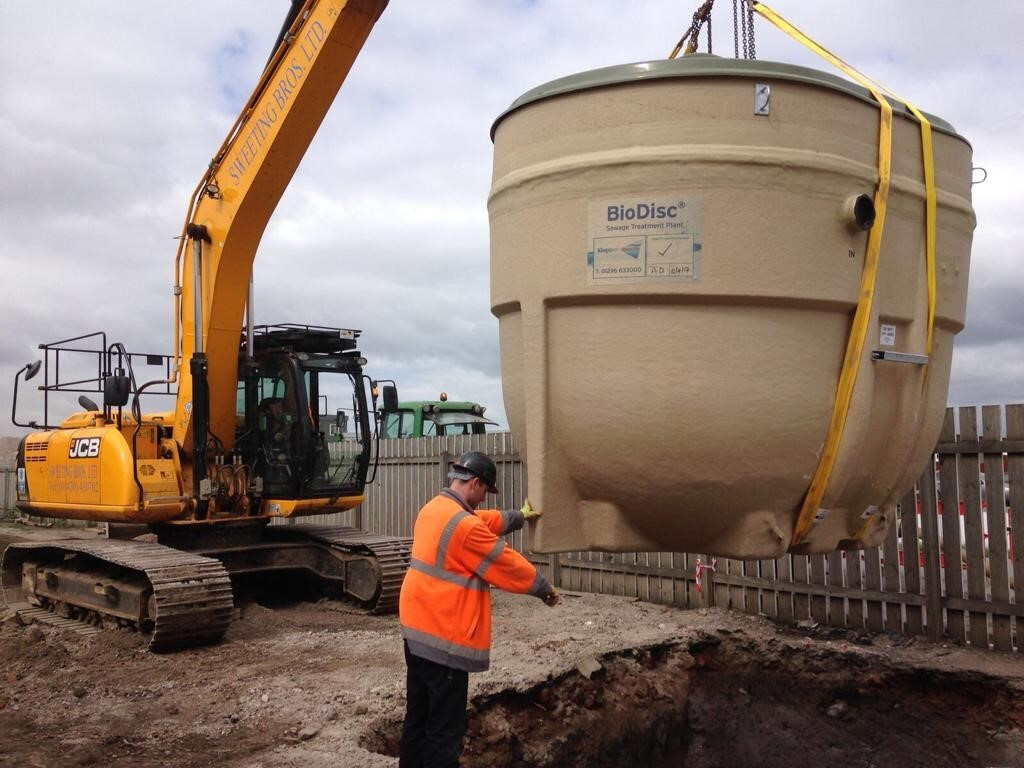
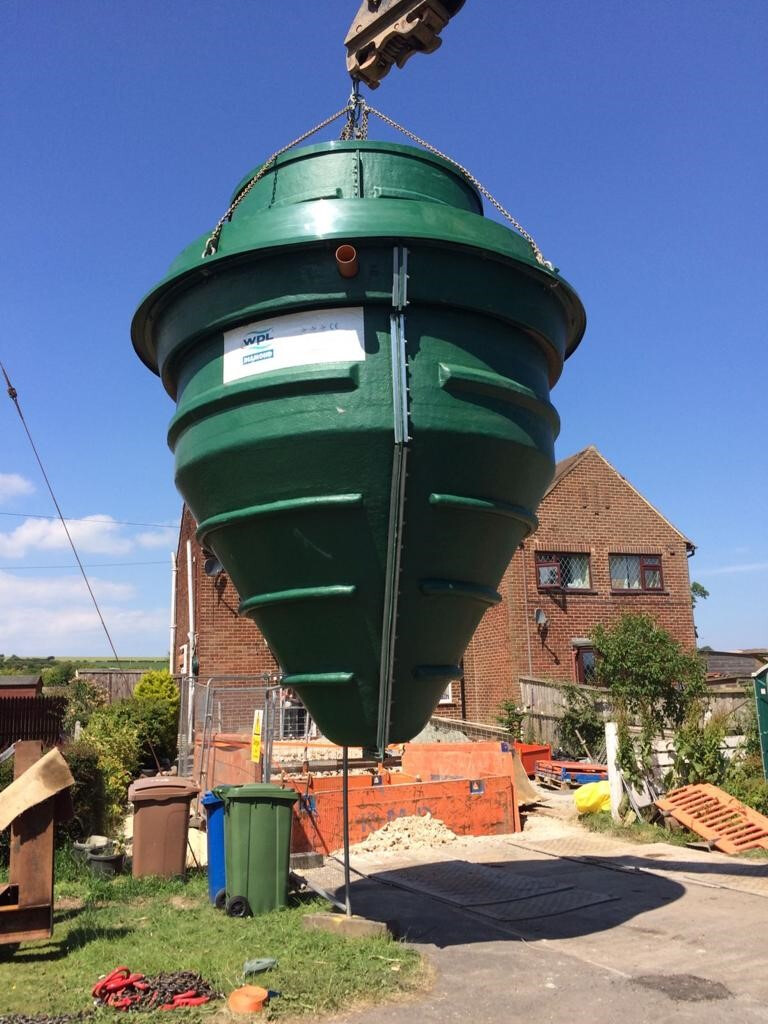
Challenges
Health & Safety
All workings are carried out compliantly under CDM 2015 protocols with comprehensive assessment of all risks and method statements to minimise risks for all work elements. For larger tanks or installations with poor ground conditions, temporary works may be necessary, as seen in the cover photograph, to prevent excavation walls from collapsing in.
Working with Water
Working in or around water and untreated effluent poses hazards for employees. When working closely or adjacent to watercourses, the presence of vermin and exposure to leptospirosis, together with the possibility of drowning, add to the normal risks involving accidents concerning machinery and moving parts.
Pumping out accumulating or rising ground water is often necessary to ensure safe working conditions together with appropriate discharge. Furthermore, moving a property from an existing system to a newly installed or revised system brings logistical challenges which need to be overcome.
Ground Conditions
When excavating to any depth, it is imperative to understand the ground conditions and always ask for soil reports if available. Typically in domestic situations, this is unlikely and it is necessary to be prepared for issues such as running sand, a high water table or significantly wet ground which can lead to instability or installation constraints.
Existing Services & Utilities
Any excavations require an understanding of the location or route of all utilities such as:
- Gas.
- Electric.
- Fibre or cable broadband and TV.
- Water mains.
- Existing drainage pipework.
- Overhead power lines or telephony.
As such, scanning, desk-top studies, liaising with providers or investigative trials are usually undertaken to ascertain and confirm positions prior to any works being undertaken.
Planning a sewage treatment project?
Speak to Sweeting Bros about domestic and commercial sewage treatment plant installations, drainage revisions and servicing.