Civil Engineering and Environmental Works
Case study
Civil Engineering and Environmental Works
Civil engineering and environmental works within Environment Agency frameworks
Scope & Typical Works
To provide specialist environmental expertise and carry out a variety of civil engineering work for A E Yates as part of their undertaking within the Environment Agency framework in the East Riding of Yorkshire region.
Typical Works
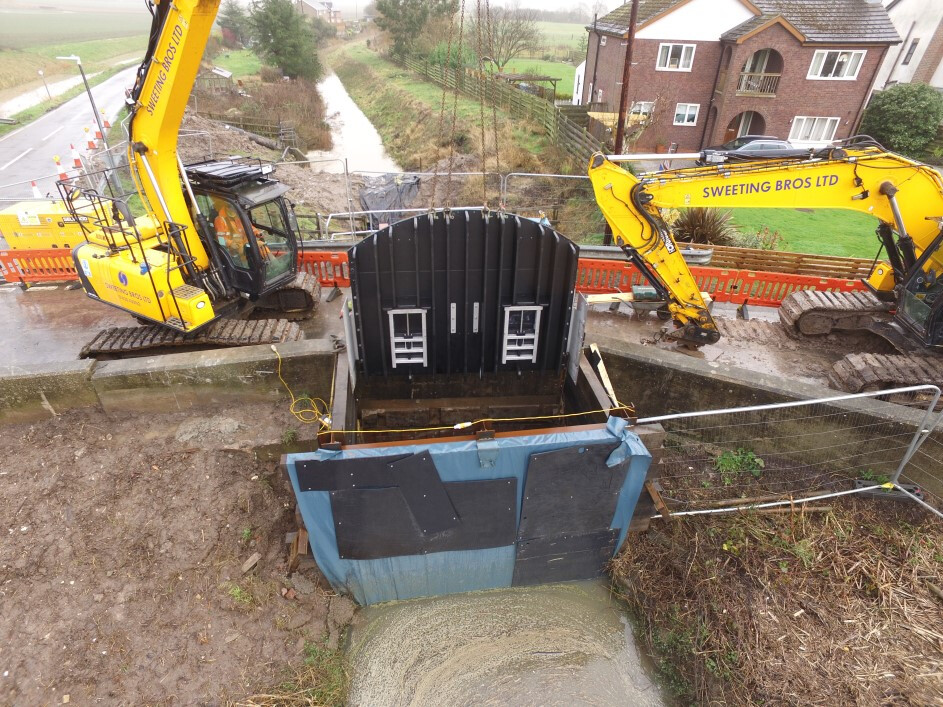
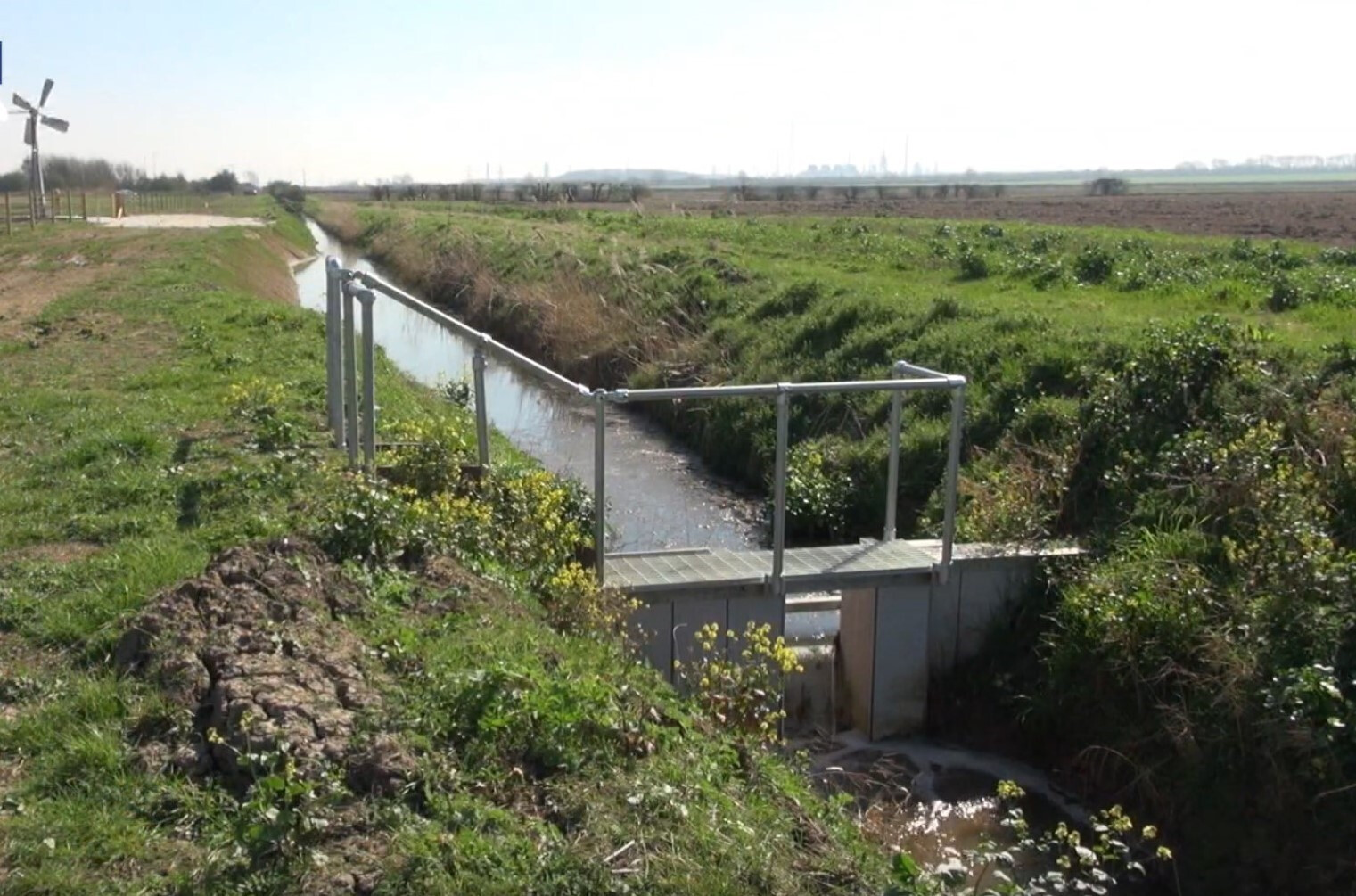
- Outfall and pipework infrastructure replacement works, pump chambers, manholes, penstocks and Hydrobrakes.
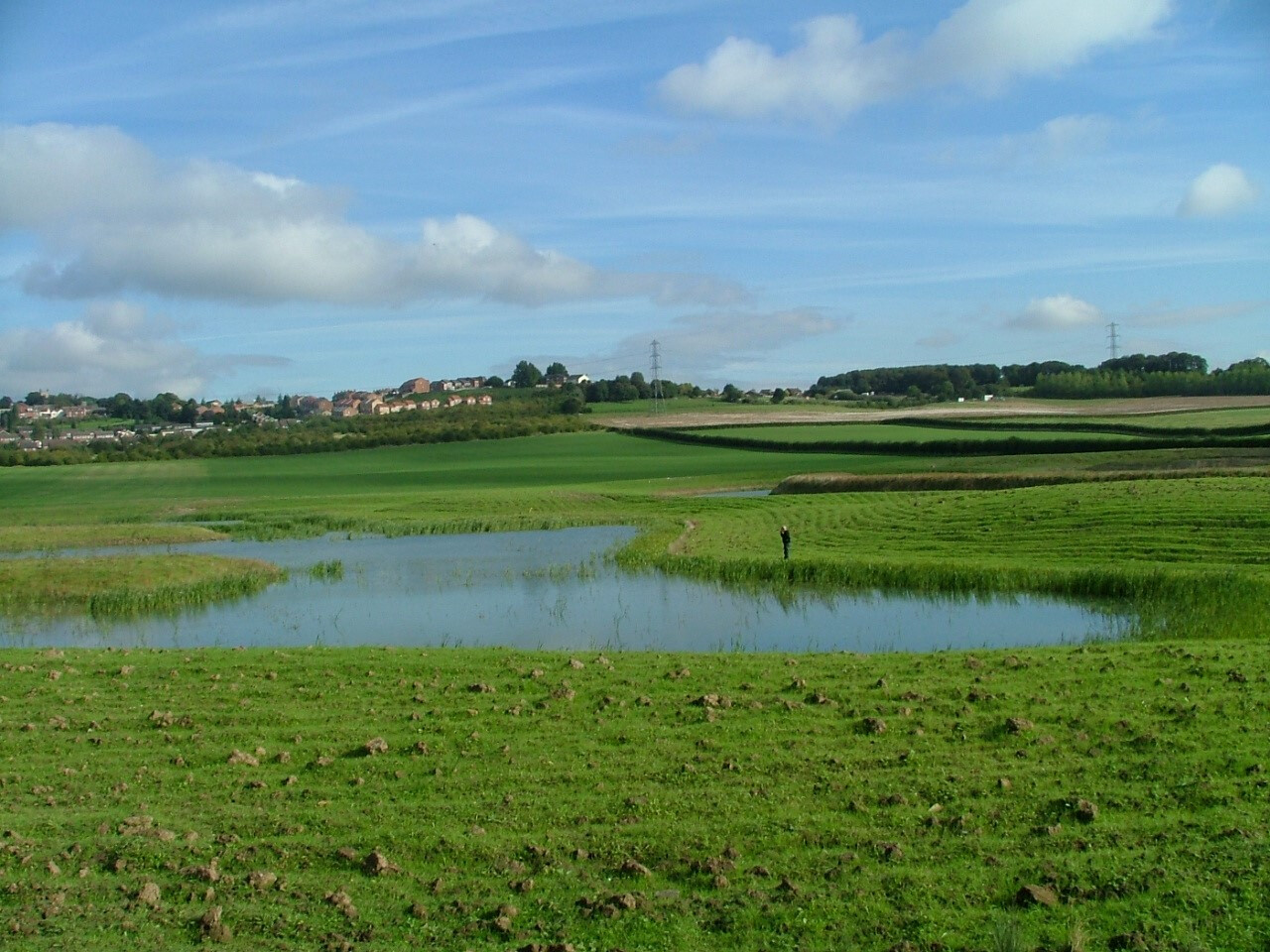
- Lake, reservoir and attenuation creation.
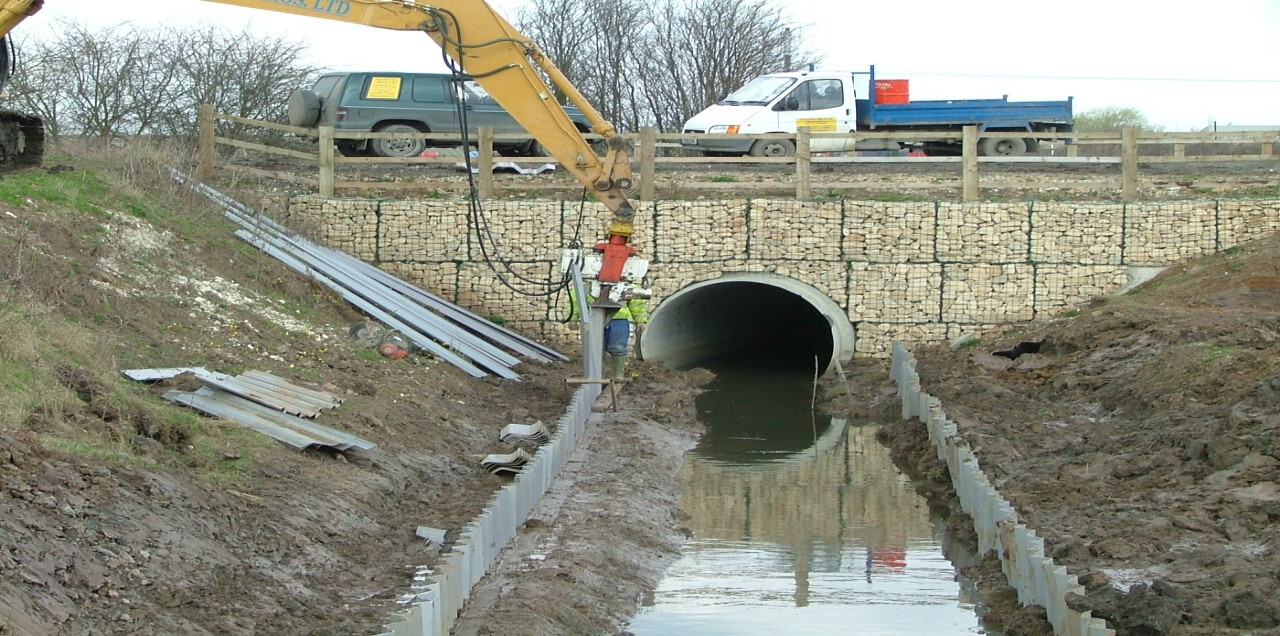
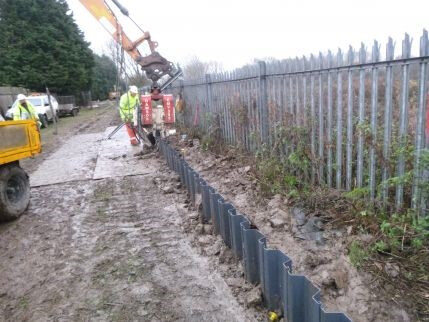
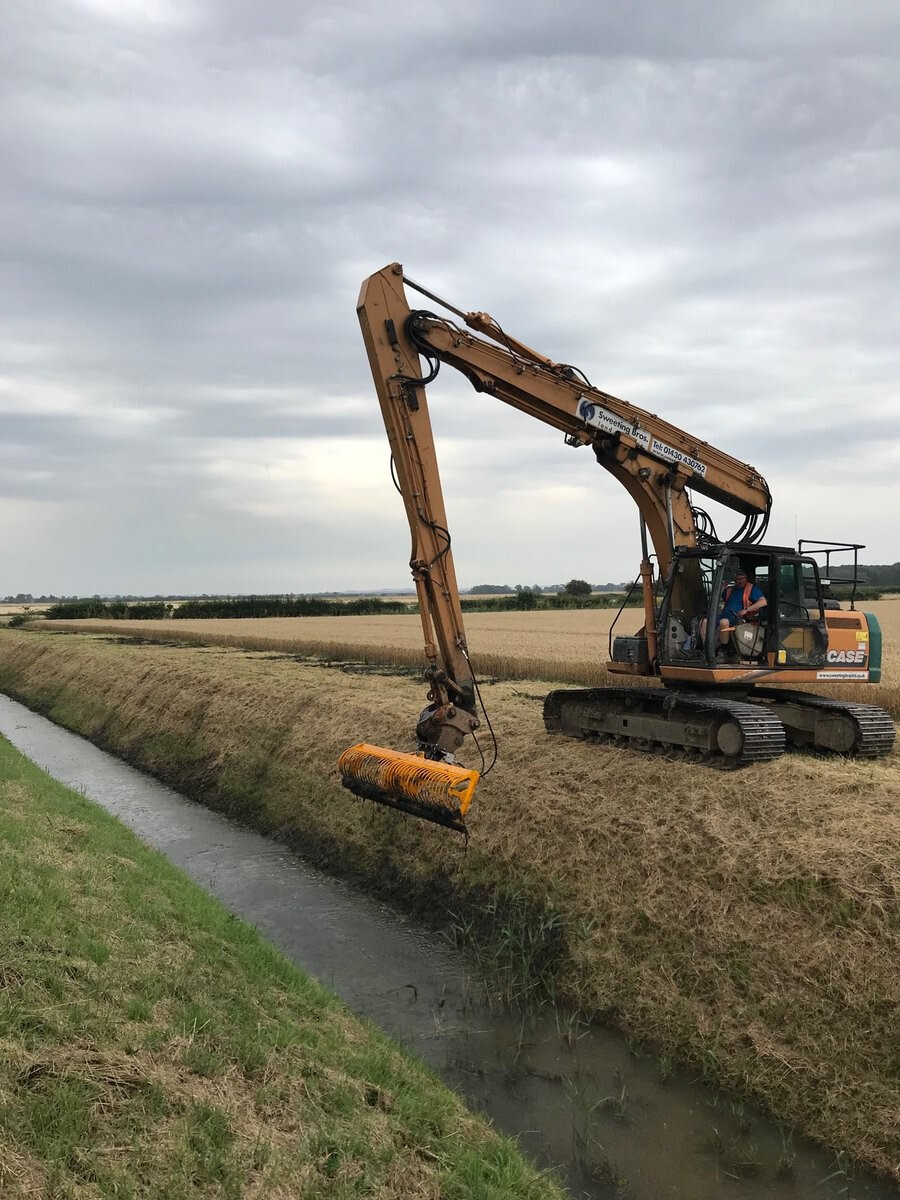
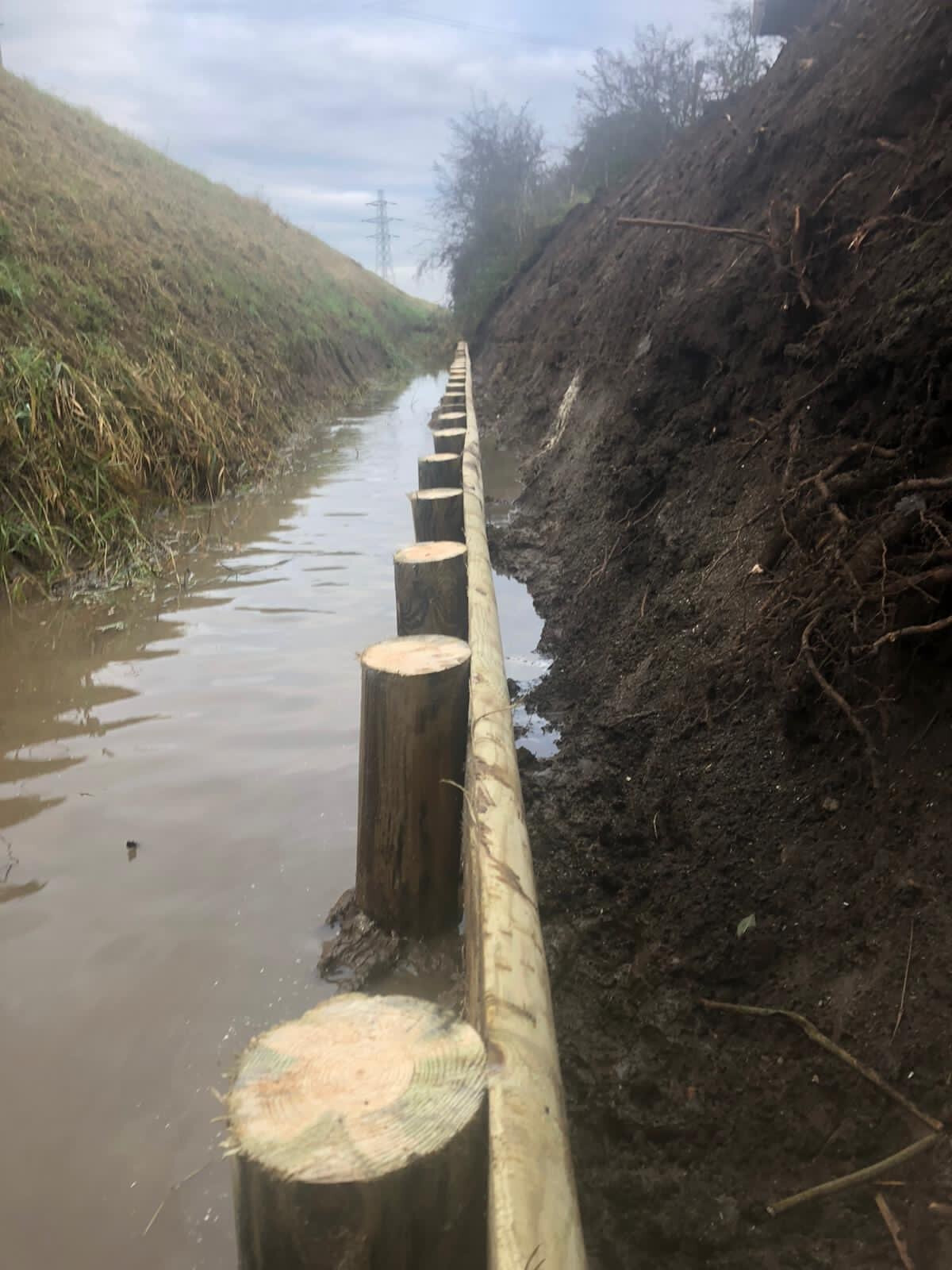
- Watercourse, including in rivers, maintenance, profiling, cleaning, embankment works and stabilisation by piling (timber, plastic or steel).
- Temporary access route provision over long distances including top soil strip, earthworks and grading, levelling and bunding.
- Flood alleviation, management and prevention works including emergency responses.
- Over-pumping and damming.
Biodiversity Management
Habitat Protection and Conservation
When undertaking any projects in the natural environment, the aim is to minimise disruption to the surrounding environment, wildlife, flora, fauna, woodland, trees, birds, fish and habitats. An example in watercourse management, work is often undertaken at specific times of the year so as not to disturb nesting birds. Watercourse management involving de-weeding, de-silting, flailing and re-profiling of bank sides, where initially weed cut from the base or side of the dyke lifting is arising, is sent to allow any aquatic life to fall back and depositing there to wilt to ensure any other wildlife survives.
Protecting pollinators, hedges, crops, fallow areas, woodland and trees is second nature and enshrined in our company ethos. It forms part of our Quality Delivery Protocol, CPP and RAMS incorporating pollution prevention protocols, up-to-date servicing of machinery, daily checks and spill kit provision.
Biosecurity & Harm Prevention Considerations
Sweeting Bros Ltd are members of the NAAC - National Association of Agricultural Contractors, under their Assured Land Based Contractor Scheme and adhere to their golden rule: persons entering or leaving premises should ensure their footwear, clothing and machinery are clean when they enter and again when they leave. Contractors should make use of any facilities provided on-farm or on-site and must follow up-to-date Defra guidance on biosecurity; the contractor must follow the farm’s or customer’s biosecurity policy if it is more stringent than Defra’s biosecurity policy.
We adopt this rule into all our practices and enhance where necessary which includes but is not limited to:
- Awareness of current issues to prevent cross-contamination and spread of invasive species.
- Biosecurity hygiene protocols for plant and personnel, for example washing down and disinfecting plant, footwear and clothing prior to moves, particularly in agricultural areas where livestock are present.
- Protection of fauna, woodland, trees, birds, fish etc. generally and specifically those under enhanced legislative measures such as protected areas or species.
- Watercourse and groundwater pollution prevention and protection.
- Safe storage and segregation to prevent ingress from trespassing of humans or animals to a site compound, stores housing plant, machinery, chemicals, fuels etc. or open works or excavation areas.
- Trackway, haul road provision and removal.
- Prevention of topsoil and substrate damage using weight dispersal methods for plant, oak beams, temporary plates and plant with low tyre pressures or tracks.
- Confining works to specific times of year to protect habitats, wildlife or crops.
- Minimum personnel deployed.
- Fire prevention measures, for example smoking prohibition.
Challenges
Health & Safety
All works would be carried out compliantly under H&S and CDM 2015 protocols requiring Construction Phase Plans together with comprehensive assessment of all risks and method statements to minimise risks for all work elements.
Working with Water
Working in or around water poses hazards for employees arising from the natural environment. The presence of vermin and exposure to leptospirosis, together with the possibility of drowning, add to the normal risks involving accidents concerning machinery and moving parts. Works taking place in live watercourses also pose problems arising from adverse weather and increased rainfall. It is necessary to monitor and adjust programmes to accommodate and minimise risks. Pumping out of accumulating or rising ground water is often required to ensure safe working conditions.
Ground Conditions
Existing ground conditions need to be determined to ensure the integrity of any excavation work being undertaken. Where necessary excavations would be carried out by ensuring a safe angle of repose, proprietary shoring system or significant temporary works design.
Cooperation
As with any large project where multiple stakeholders are involved, co-operation is key factor in success. Sweeting Bros Ltd are adept at managing multi-agency stakeholders both on and off site.
Traffic Management
A fully Chapter 8 compliant traffic management programme may need to be implemented and adapted to differing layouts throughout the project to accommodate working in the highway, weight and height restrictions on ancillary lanes and roads. Residential access to adjacent properties is a further consideration to be accommodated for the duration of the works.
Buried Services
Extensive surveys may be necessary to understand any risks prior to undertaking any excavating. These involve large gas, water and electricity mains which needed to be addressed and managed.
Planning an environmental or civil engineering project?
Speak to Sweeting Bros about practical environmental, water-management and civil engineering works.